
Recruitment Management: How HR Software Makes Hiring Faster and Smarter
Recruitment Management: How HR Software Makes Hiring Faster and Smarter
Hiring the right employees is one of the most important responsibilities of any business. But when recruitment is managed manually, HR teams often spend hours posting jobs, reviewing resumes, scheduling interviews, following up with candidates, and updating application records.
This is where Recruitment Management can make a big difference.
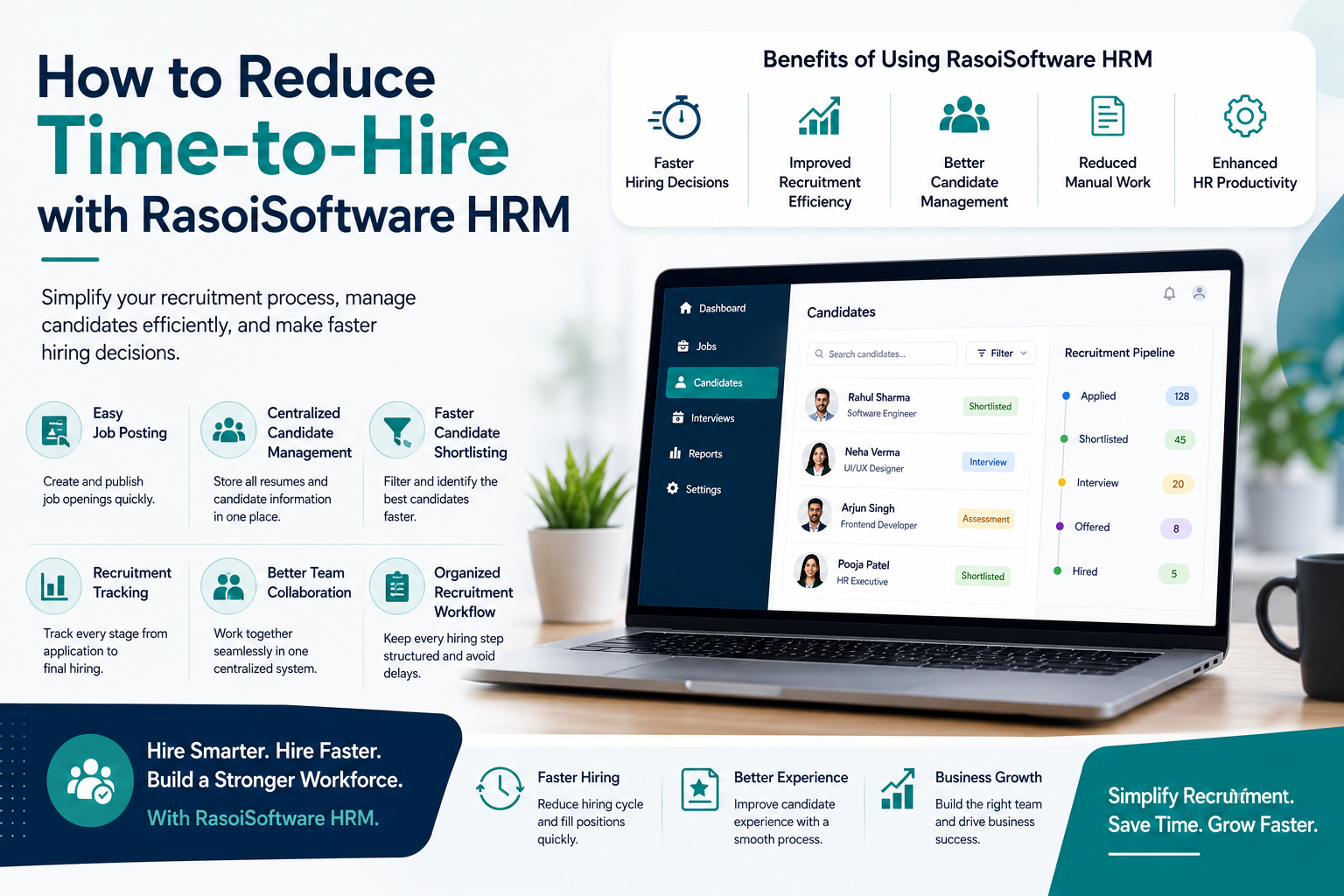
With modern HR software, businesses can organize the complete recruitment process in one place, reduce manual work, and create a smoother hiring experience for both HR teams and candidates.
What is Recruitment Management?
Recruitment Management is the process of managing all activities involved in hiring employees—from creating a job opening to selecting the right candidate.
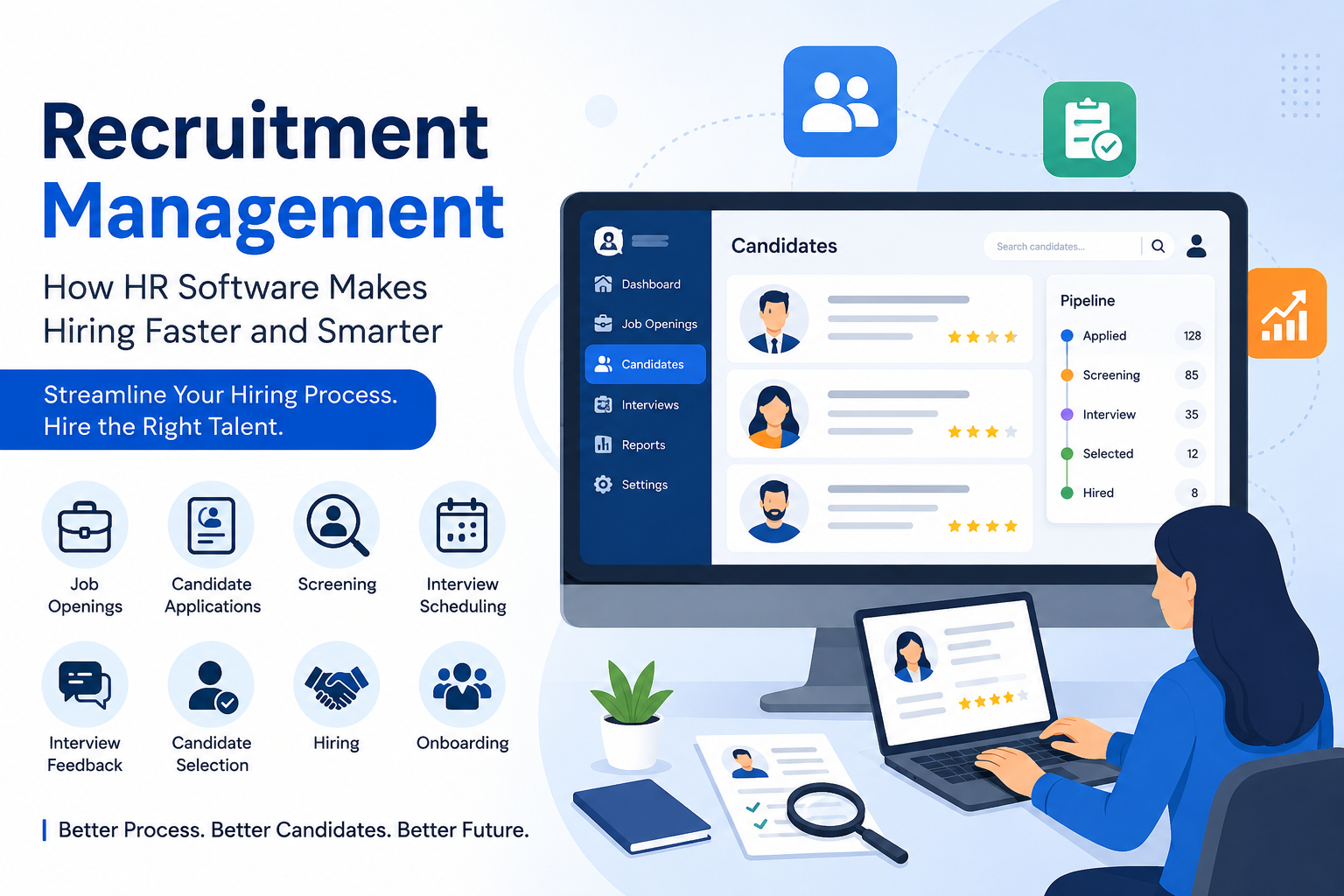
A recruitment management system helps HR teams manage:
Job openings
Candidate applications
Resume and document collection
Candidate screening
Interview scheduling
Interview feedback
Candidate selection
Hiring and onboarding
Instead of managing information through spreadsheets, emails, and multiple applications, HR teams can keep everything organized in a centralized system.
Why is Recruitment Management Important?
A well-organized recruitment process helps companies hire the right people at the right time.
1. Saves Time
Recruiters can reduce repetitive administrative tasks by managing job openings, applications, and candidate information from one platform.
2. Keeps Candidate Information Organized
Resumes, contact details, interview records, and application status can be maintained in one place, making it easier for HR teams to find the information they need.
3. Improves Hiring Efficiency
Recruiters can quickly track candidates at different stages of the hiring process and identify which candidates should move forward.
4. Reduces Manual Errors
Manual data entry and spreadsheet-based recruitment can lead to duplicate records or missed updates. A centralized recruitment system helps keep information more consistent.
5. Improves Candidate Experience
Candidates expect clear communication during the hiring process. Proper tracking helps HR teams provide timely updates and avoid unnecessary delays.
Key Features of Recruitment Management Software
Modern recruitment management software can provide several useful features.
Job Vacancy Management
HR teams can create and manage job openings with details such as job title, department, required skills, experience, and job description.
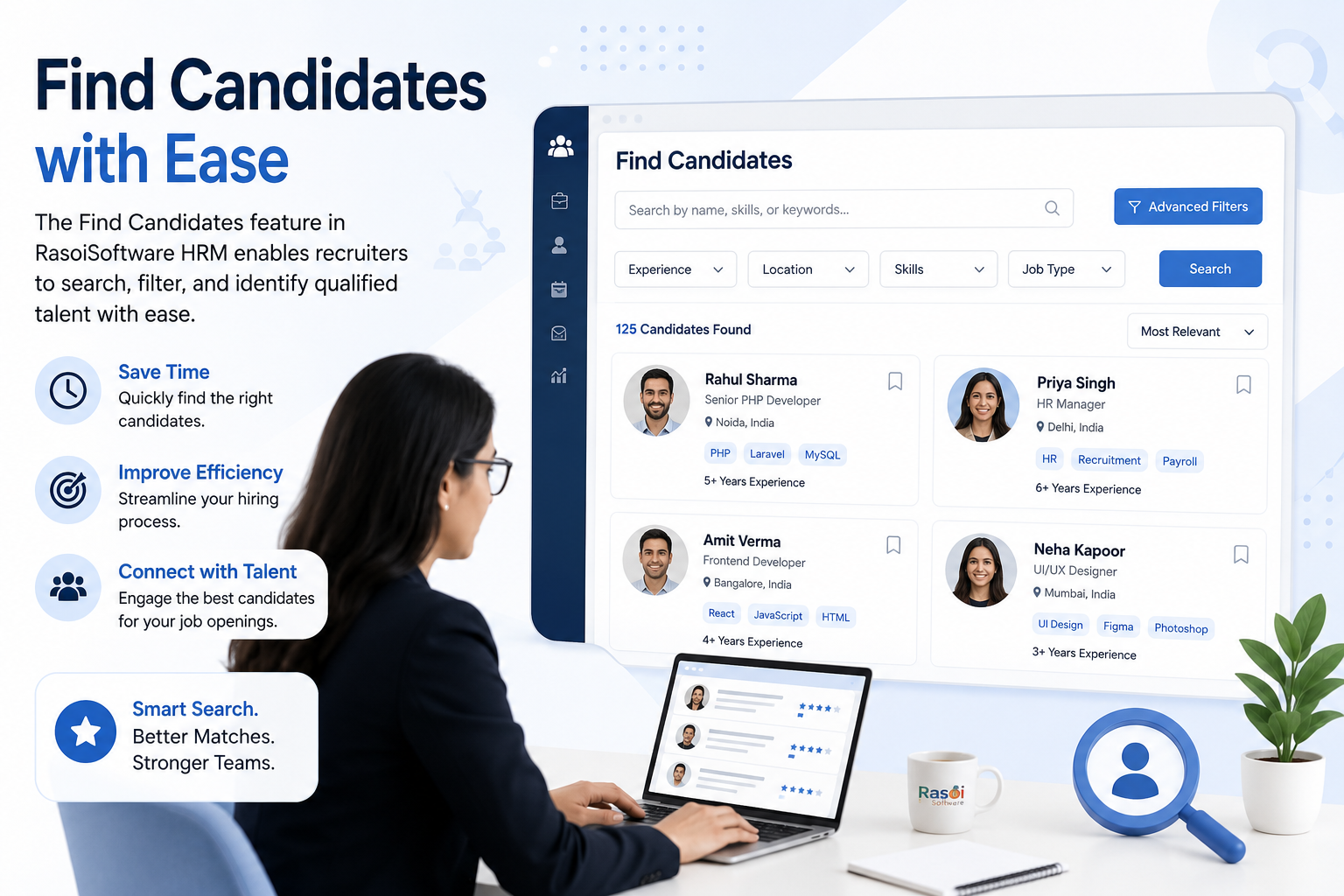
Candidate Management
All candidate information can be stored and organized so recruiters can easily review applications and resumes.
Application Tracking
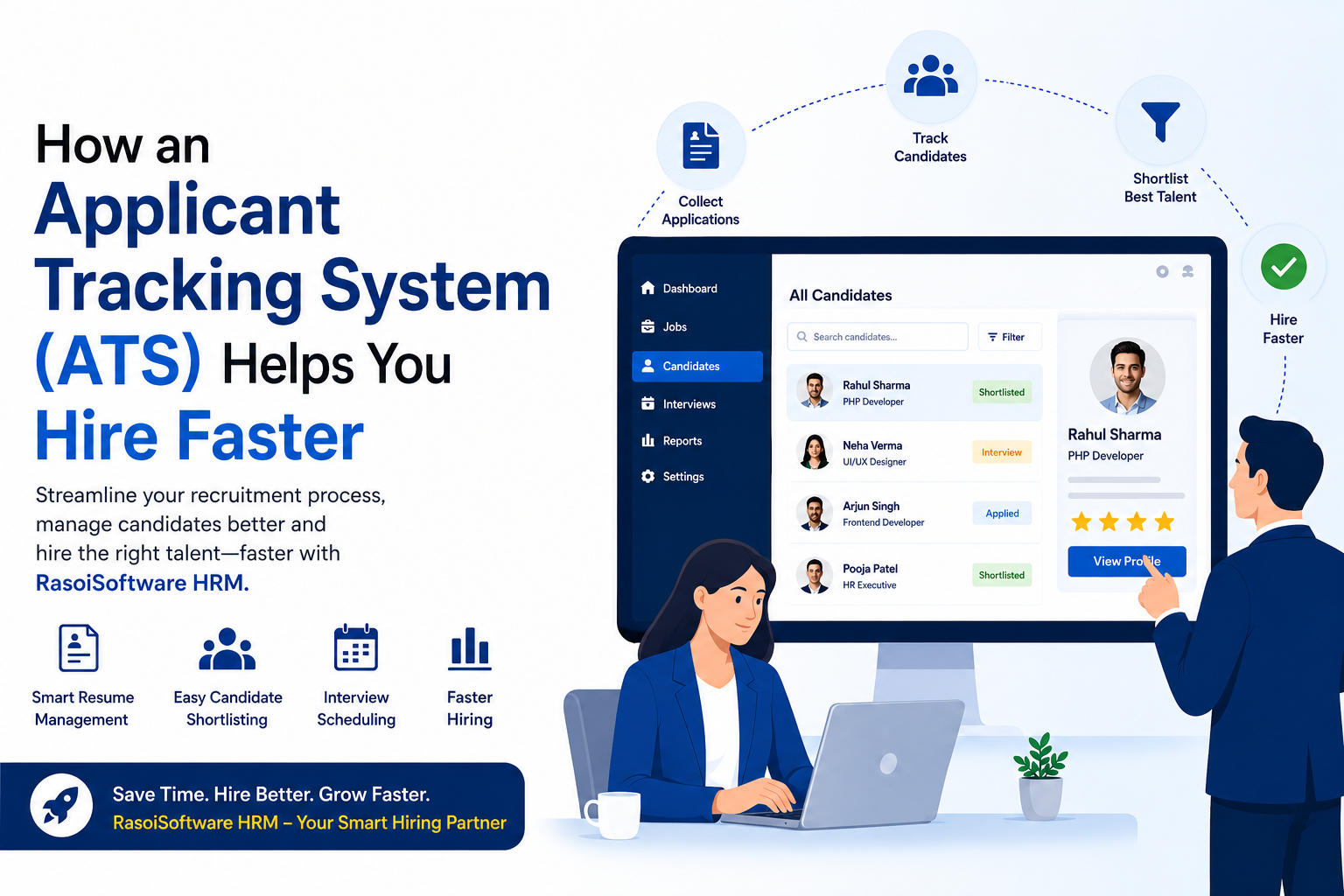
Recruiters can track candidates through different recruitment stages, such as:
Applied → Screening → Interview → Selected → Hired
This gives HR teams a clear view of the recruitment pipeline.
Interview Management
Interview schedules and candidate interview details can be managed more efficiently, helping recruiters coordinate the hiring process.
Resume and Document Management
Recruiters can keep candidate resumes and relevant documents organized and accessible when required.
Recruitment Reports
Recruitment reports can help HR teams understand hiring activity, open positions, candidate numbers, and recruitment progress.
Recruitment Management vs. Manual Hiring
Traditional recruitment often depends on spreadsheets, emails, paper documents, and separate tools. As the number of candidates increases, managing everything manually becomes difficult.
Recruitment management software provides a centralized approach where HR teams can manage recruitment activities from one system.
This can help businesses improve visibility, reduce administrative work, and make better hiring decisions.
How HR Software Can Improve Recruitment
An HR management system can connect recruitment with other HR processes.
Once a candidate is selected, their information can be transferred into the employee management process instead of entering the same information again.
This creates a smoother transition from Recruitment to Employee Onboarding.
Best Practices for Effective Recruitment Management
Businesses can improve their recruitment process by following a few simple practices:
Create clear and detailed job descriptions.
Define the required skills and experience before hiring.
Keep candidate information organized.
Track every candidate through the recruitment stages.
Schedule interviews efficiently.
Maintain proper interview feedback.
Communicate with candidates on time.
Use recruitment reports to identify areas for improvement.
Conclusion
Recruitment is more than simply finding candidates. It is about creating an organized process that helps businesses identify, evaluate, and hire the right talent efficiently.
With Recruitment Management software, HR teams can centralize candidate information, track applications, manage interviews, reduce manual work, and improve the overall hiring process.
For growing businesses, adopting a structured recruitment management system can be an important step toward building a faster, more organized, and efficient HR operation.